Shop a Mylar Bag That Is Smell-Proof
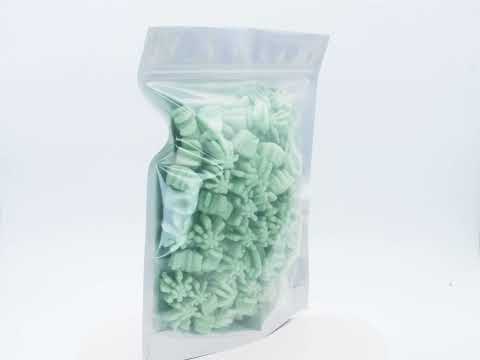
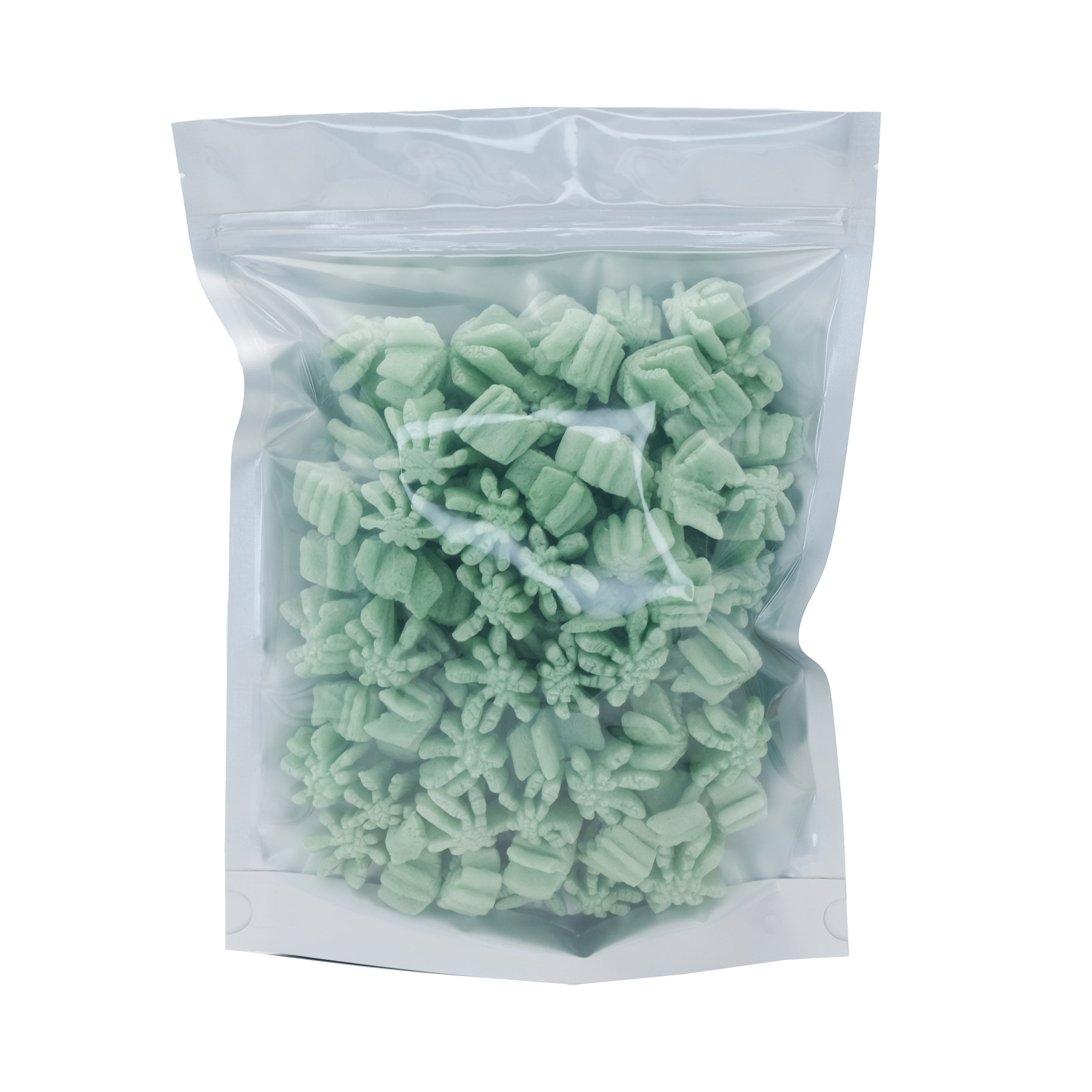
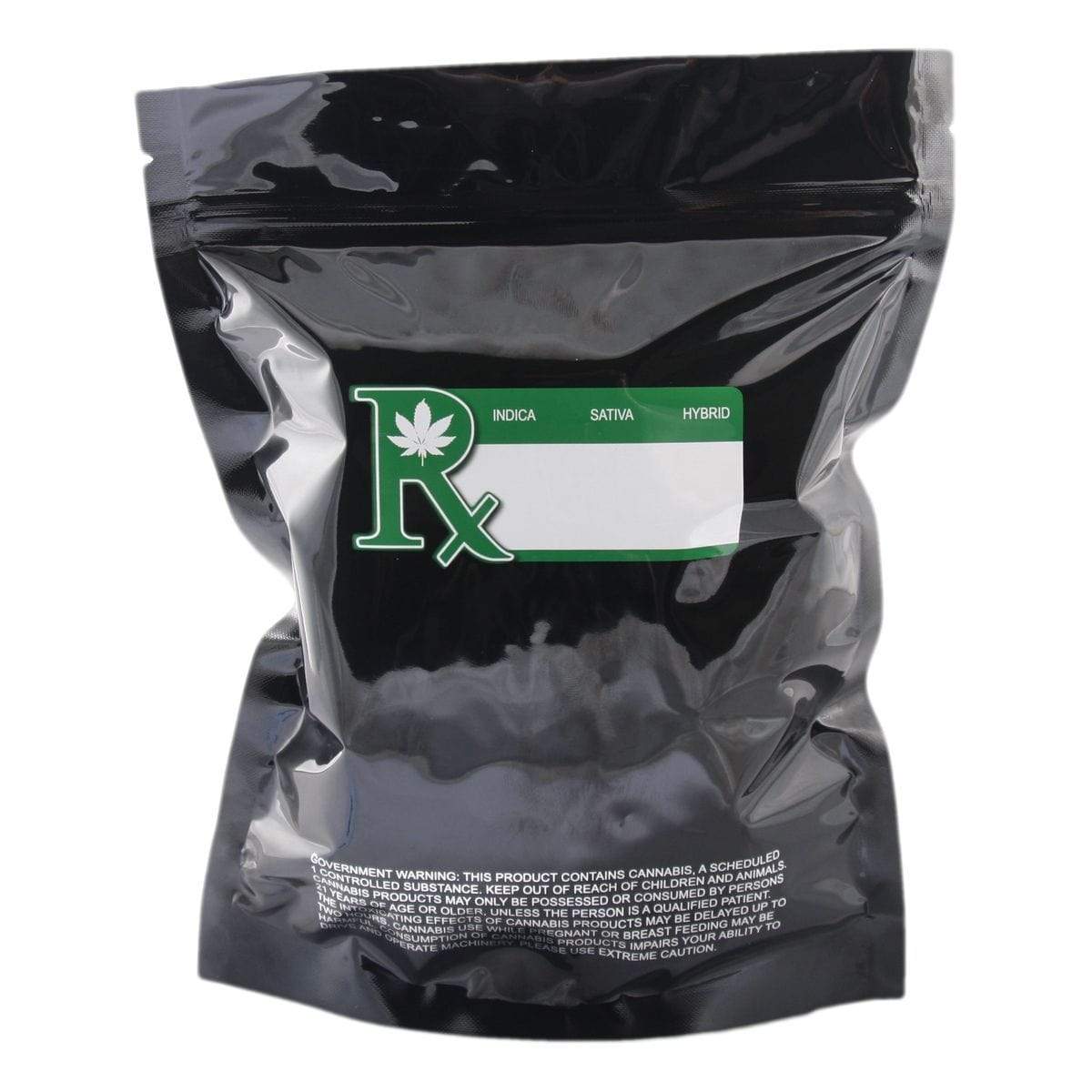
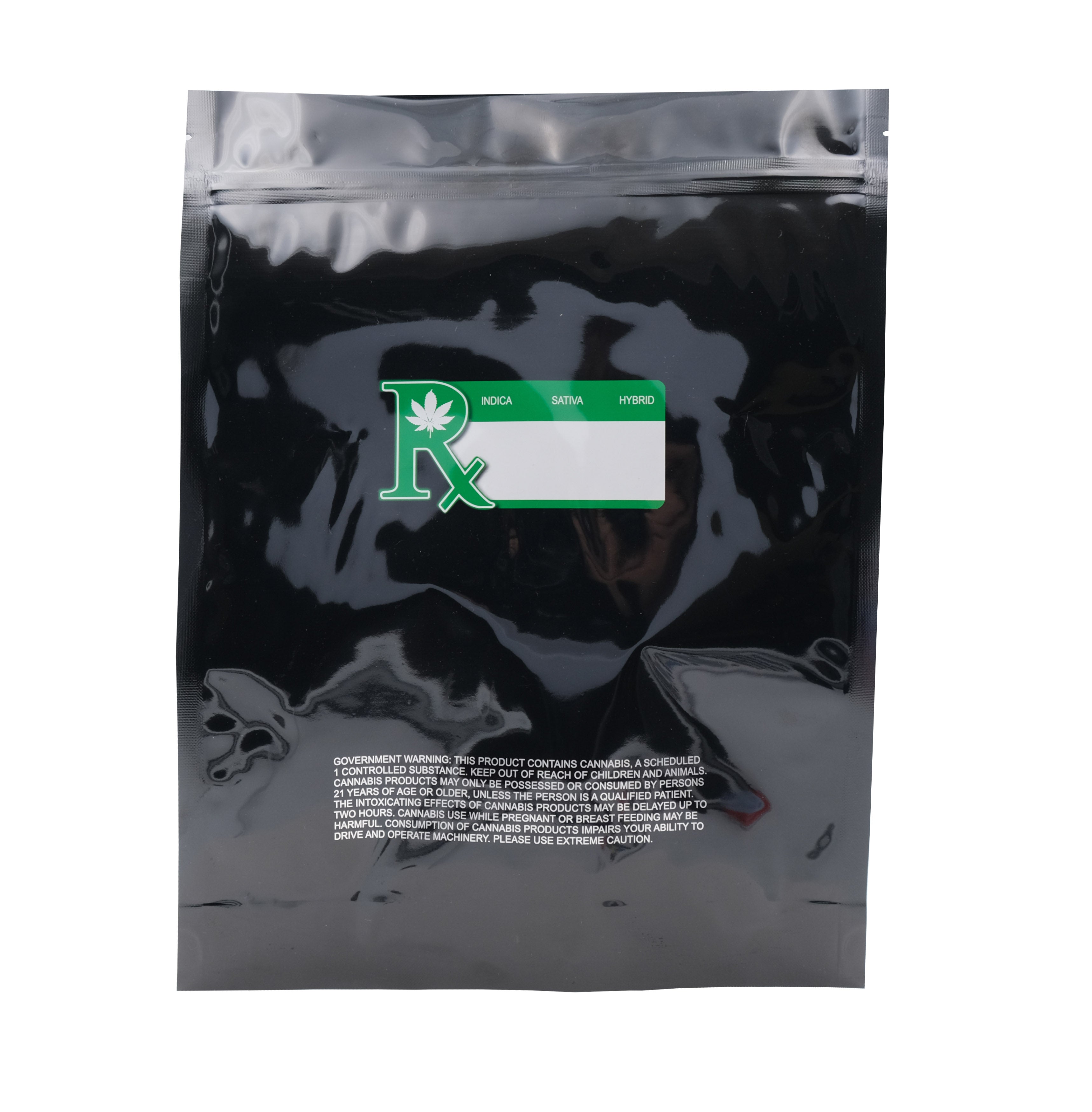
These barrier bags keep air and moisture out and odors in. Glossy finish on one side, clear on the other. Gusseted for a less restrictive fit. These premium smell proof mylar bags keep prying eyes (and hands) out and your flower products (and odors) in for a quarter pound.
- Heat-sealing, tamper-proof top tears away for easy opening
- Child-resistant zippered top allows resealing
- Expandable bottom
| Also available in other sizes: |
|
|
Heat-Sealing vs. Zip Lock Closures: Achieving Long-Term Freshness and Compliance
When packaging sensitive products in Mylar bags, understanding the dual role of top heat-seals and internal zippers is essential for maintaining product integrity and regulatory compliance.
-
Commercial Tamper-Evident Seals: Using an impulse sealer on the tear-notch header creates an airtight, tamper-evident barrier. This locks in moisture levels and ensures compliance with state retail distribution laws.
-
Consumer Re-Sealability: High-grade press-to-close zippers allow end-users to securely reclose the pouch between uses, protecting contents from ambient humidity and ambient oxygen exposure.
-
Odor Containment: Combining a thermal top-seal with thick foil barrier layers guarantees a Mylar bag that is smell-proof, keeping strong aromas completely trapped inside during storage and transport.
At Bag King, our premium line of Mylar bags is engineered specifically to meet the rigorous demands of commercial growers and retail packagers. Our pouches use heavy-gauge barrier films and tear notches for easy consumer opening, alongside reliable heat-sealable headers. They deliver the ultimate balance of freshness and shelf-ready presentation for your brand. Contact Bag King today to find the right product.
Frequently Asked Questions
Why is my thermal band sealer melting clear Mylar bag windows?
Clear PET/PE window films have a lower melting point than opaque foil layers and will distort if your temperature bar sits past 300°F. To form a clean lock without burning the window on hybrid pouches, reduce your thermal sealer setting to 250°F–275°F and increase the belt speed slightly. To ensure proper seal times across different film compositions, always check temperature tolerance values against the technical specification tables on our product pages.
What is the difference between a 3.0 mil and a 5.0 mil Mylar pouch?
The primary difference is puncture resistance and oxygen transmission rate (OTR). A 5.0 mil pouch provides a significantly stronger barrier compared to a standard 3.0 mil bag. Heavier gauge films prevent sharp contents, such as dried herbs, hard candies, or dehydrated foods, from poking micro-perforations through the material during transit.
How do I prevent my bottom gusset from creasing when applying custom labels?
Labels must be applied while the pouch is completely flat, strictly prior to filling or expanding the bottom gusset. Applying pressure to an already expanded bag creates air bubbles and edge-lifting along the bottom fold lines. If your facility runs automated or high-volume packaging lines, consider utilizing an in-house label application service to receive pre-labeled pouches that feed cleanly through your filling equipment.
Why should I heat-seal the top header if the pouch already has a reclosable zipper?
A reclosable zipper does not provide a true hermetic seal or tamper-evident protection on its own; it is designed solely for consumer convenience after opening. Heat-sealing the header above the tear notches creates an airtight physical barrier that prevents gas exchange, locks out moisture, and proves the package has not been opened prior to retail sale.